Institute
louis
Bachelor
louis
Bachelor





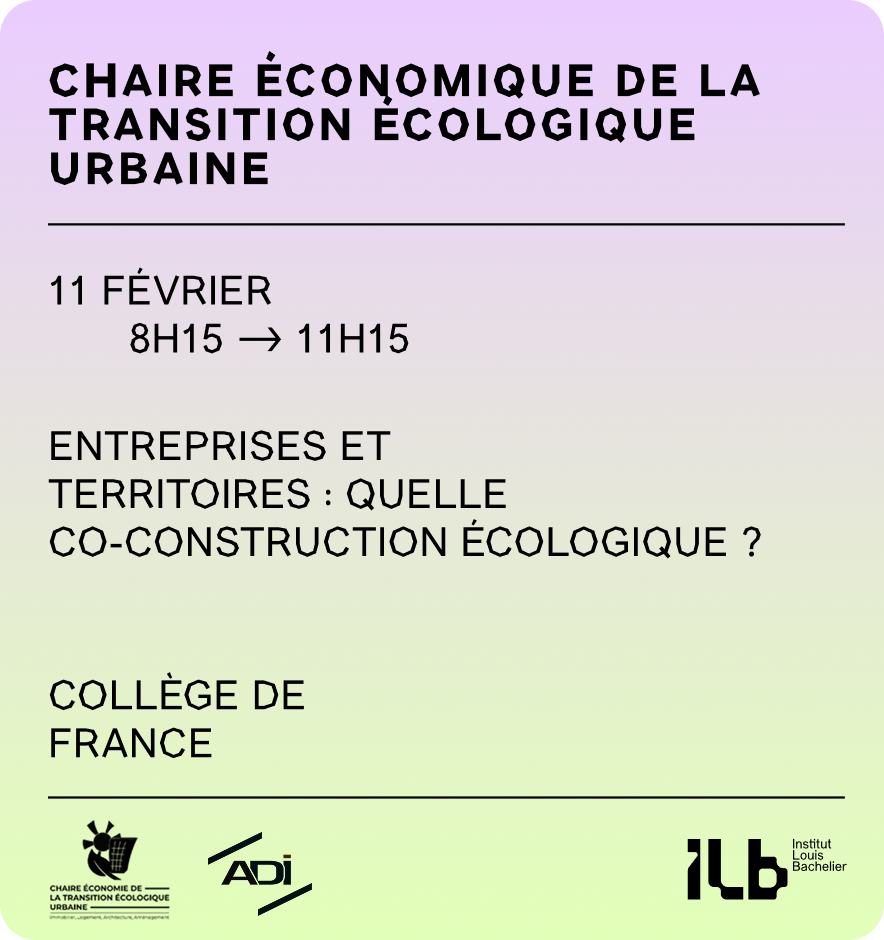


What if companies were reporting balanced accounts while unknowingly destroying the very conditions of their long-term survival? Water, climate, biodiversity — but also internal skills and social cohesion — are invisible assets in traditional balance sheets. Yet their deterioration creates major risks. Integrating these risks into accounting is not just an ecological or social imperative: it has become a vital necessity.
Today, corporate accounting measures only financial flows. The destruction of natural capital (climate, water, biodiversity) or human capital (workplace health, skills, social cohesion) remains invisible in balance sheets, even though these dimensions directly condition the resilience of organizations.
Triple Accounting Seeks to address this blind spot by translating these impacts into monetary equivalents. In practice, it works like conventional accounting — with a profit and loss account and a balance sheet — expanded with two additional components:
The T3K method — developed by Goodwill-management and incorporating the notion of quotas based on planetary boundaries — already makes it possible to calculate an environmental and social debt or surplus in parallel with the financial result. The Triple Accounting Chair aims to strengthen the scientific robustness of this method.
Research will focus in particular on:
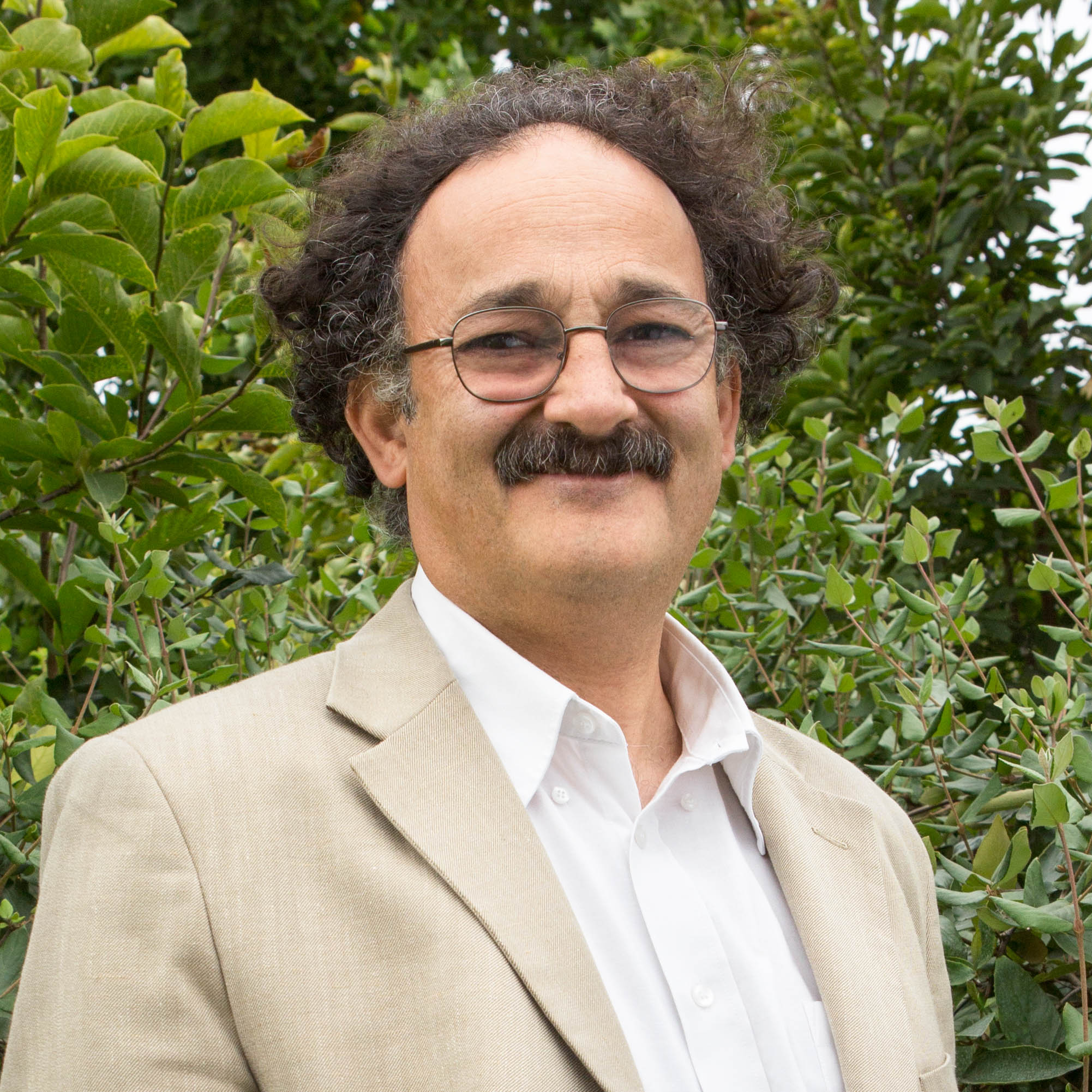
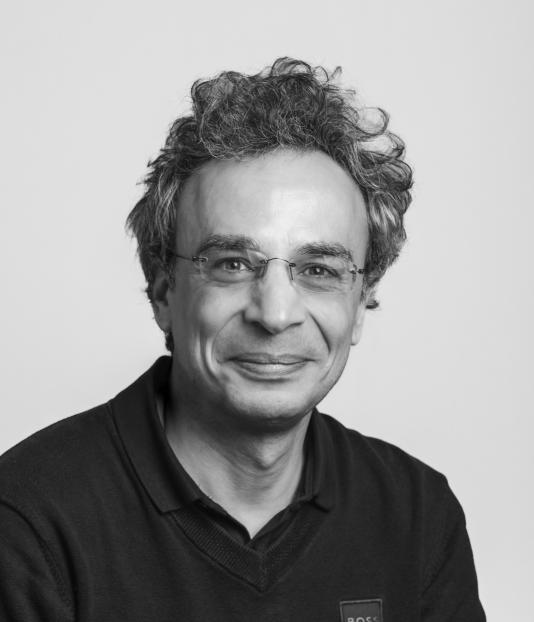
Raouf Boucekkine, Professor of Economics at Aix-Marseille University (AMU), member of AMSE and Scientific Director of the Triple Accounting Chair:
“Research is progressing rapidly on environmental impact assessment, especially regarding biodiversity and the evaluation of scarcity. The role of the Chair is to equip companies with reliable, scientifically robust and operational tools, enabling decision-makers to align their business models with planetary boundaries. Bringing science back to the heart of economic practice is essential for companies to sustainably steer their activities in a world constrained by planetary limits.”
Triple Accounting does not simply add extra-financial indicators to sustainability reports. It provides a binary signal showing whether a company truly creates value — or, on the contrary, destroys it.
Alan Fustec, founder of Goodwill-management and Director of the Triple Accounting Chair:
“With triple accounting, we want to give companies a faithful mirror of their reality. A company may show a financial profit of one million euros while generating two million euros in environmental debt. In such a situation, the company is not creating value — it is destroying it. This tool is a true wake-up call for executives, especially those already advanced in CSR. Discovering that financial profitability is erased by ecological or social debt is a powerful driver of change.”
The Chair thus aims to provide a simple and robust language, far from the complexity of hundreds of existing ESG indicators. Its ambition: a binary indicator — profitable or not — once social and environmental costs are integrated.
The Triple Accounting Chair also has a strong academic mission (research publications and scientific communication) and an educational mission (initial and continuing training). It is designed as a laboratory for accounting innovation, with a three-year roadmap:
This partnership brings together recognized academic institutions and corporate sponsors (Baker Tilly, Ekodev, ERB, Nexity) to place science at the core of economic practices and provide companies with accessible, operational tools grounded in the highest academic standards.
The Triple Accounting Chair is also part of an international dynamic. It collaborates with a researcher from Lund University, directly connected with the Stockholm Resilience Centre, the institution behind the planetary boundaries framework.
By creating a common language between researchers and economic actors, the Triple Accounting Chair helps to prepare the concrete implementation of the Polluter-main country, which will sooner or later become an unavoidable economic standard.

.jpg)