Institute
louis
Bachelor
louis
Bachelor








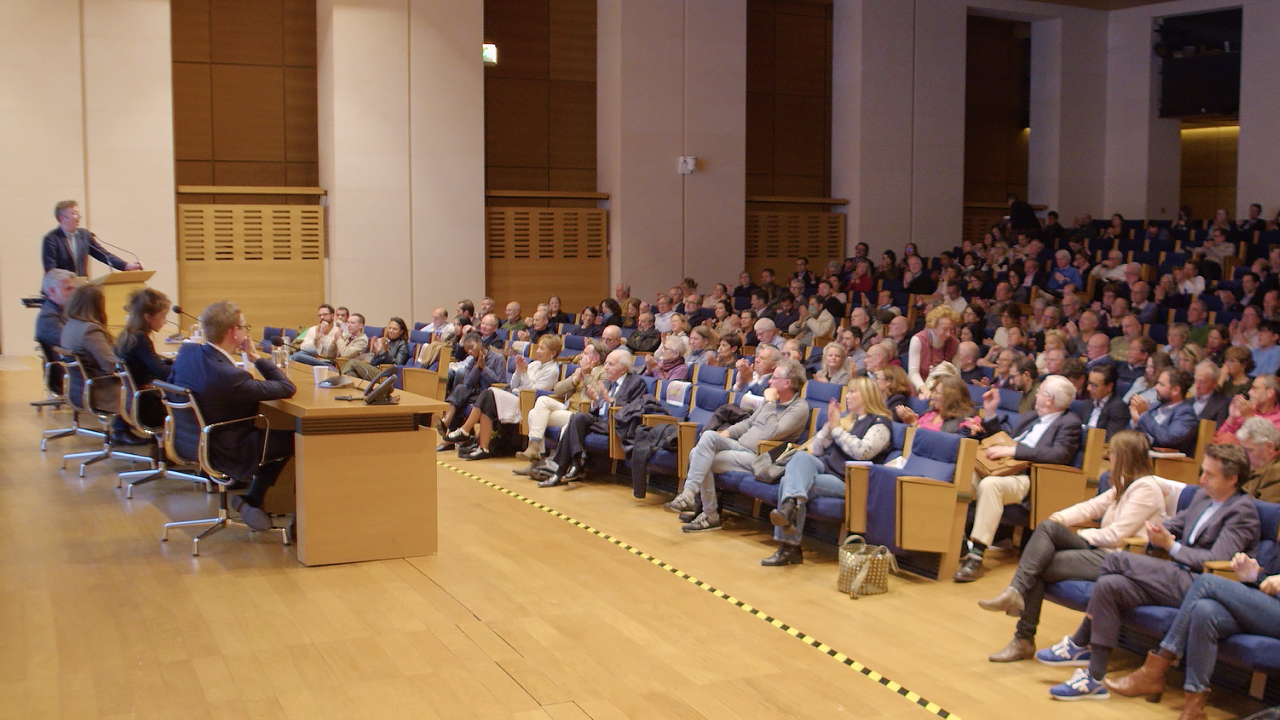
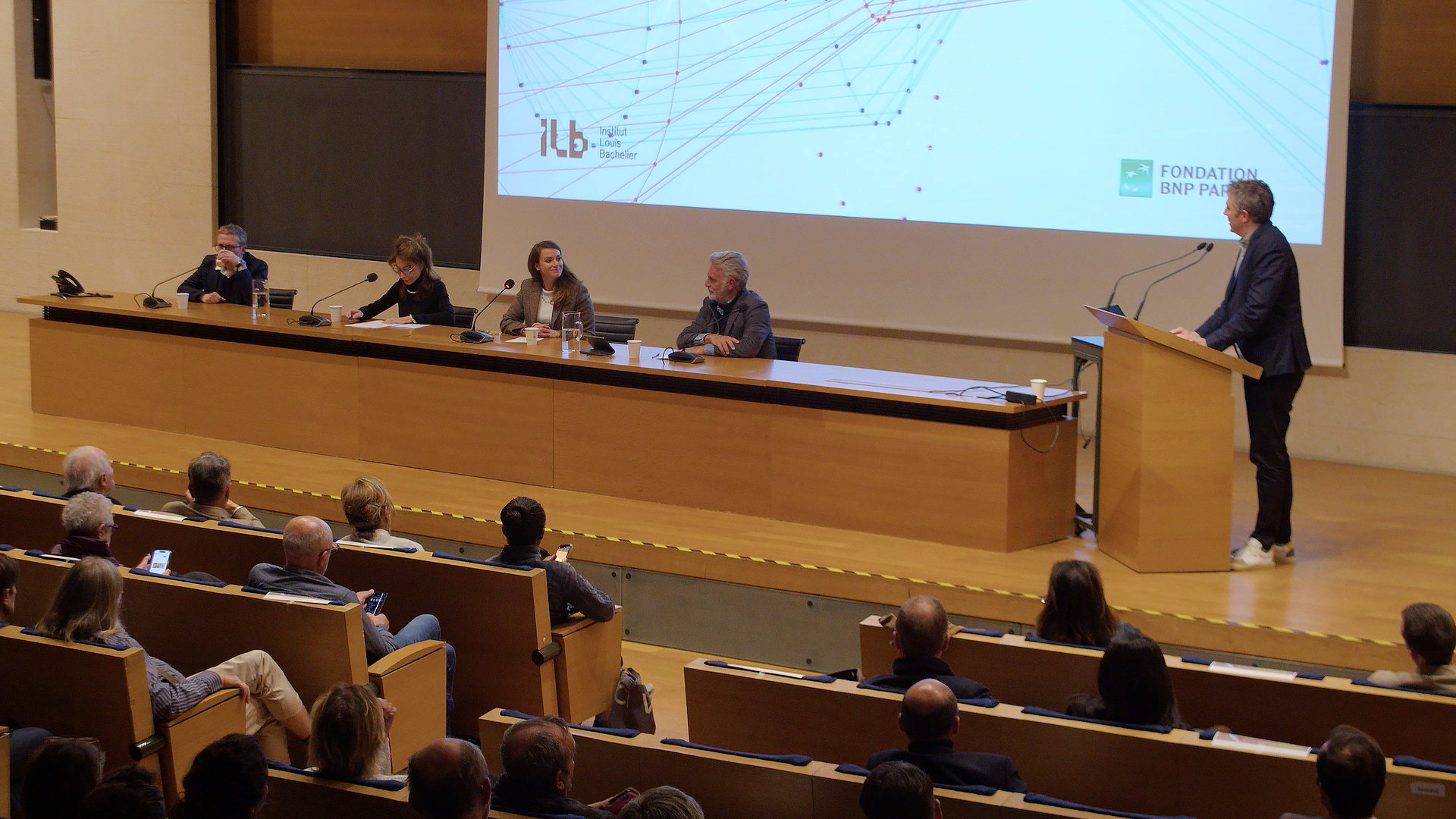
On October 15, 2025, the Collège de France hosted the 12th edition of Upcoming Conversations, organized byLouis Bachelier Institute And the BNP Paribas Foundation.
A debate that is as necessary as it is worrying: “Are we destroying reality? ”
Researchers, philosophers and communicators came together to explore an increasingly shared observation: reality is wavering, shaken up by misinformation, social networks and artificial intelligences.
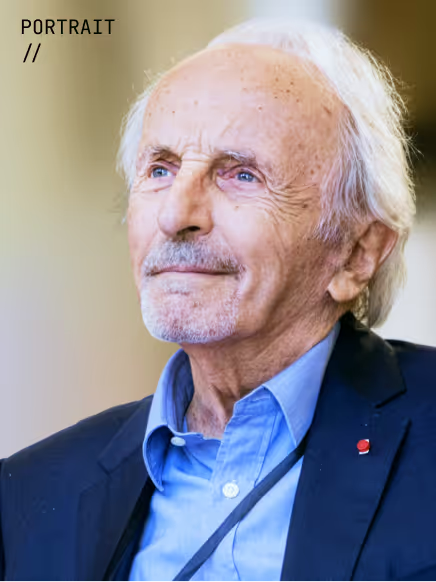
At the opening, André Lévy-Lang, founding president of the Louis Bachelier Institute, recalled the primary mission of the Institute:
“Our job is the truth. Scientific truth.”
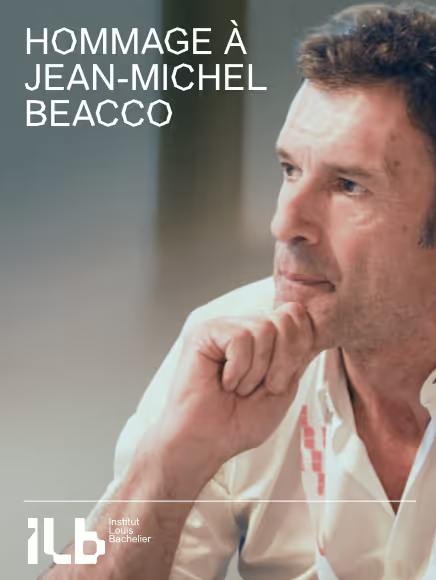
He paid a moving tribute to Jean-Michel Beacco, who died in September, praising “a man of ideas and connections”, who knew how to unite researchers, institutions and companies around a common ambition: to put research at the service of society.
Then Isabelle Giordano, General Delegate of the BNP Paribas Foundation, took the floor to recall the vocation of the cycle:
“Year after year, these A/Future Conversations allow us to generate thought, reflection and, I hope, critical thinking.”
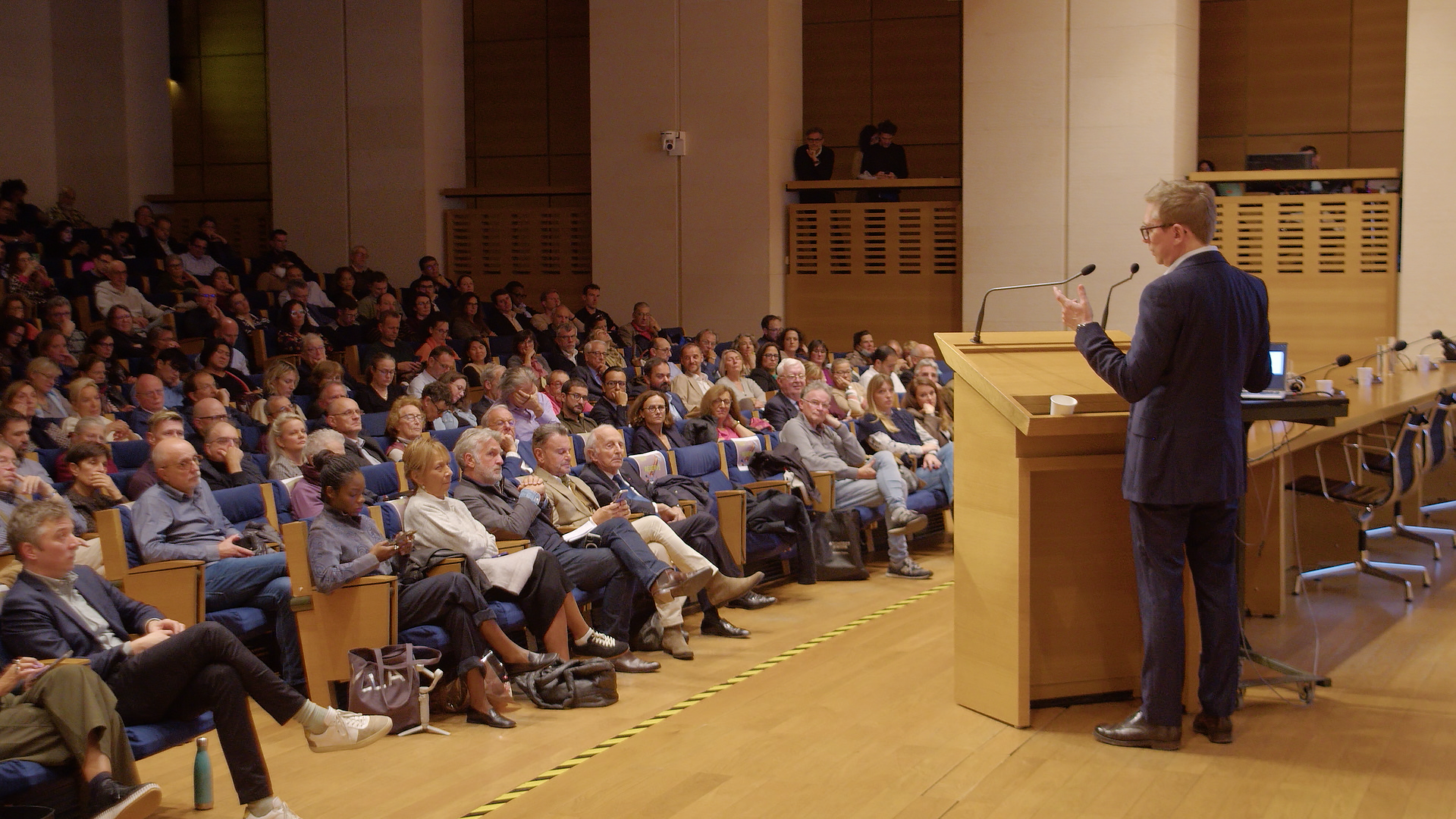
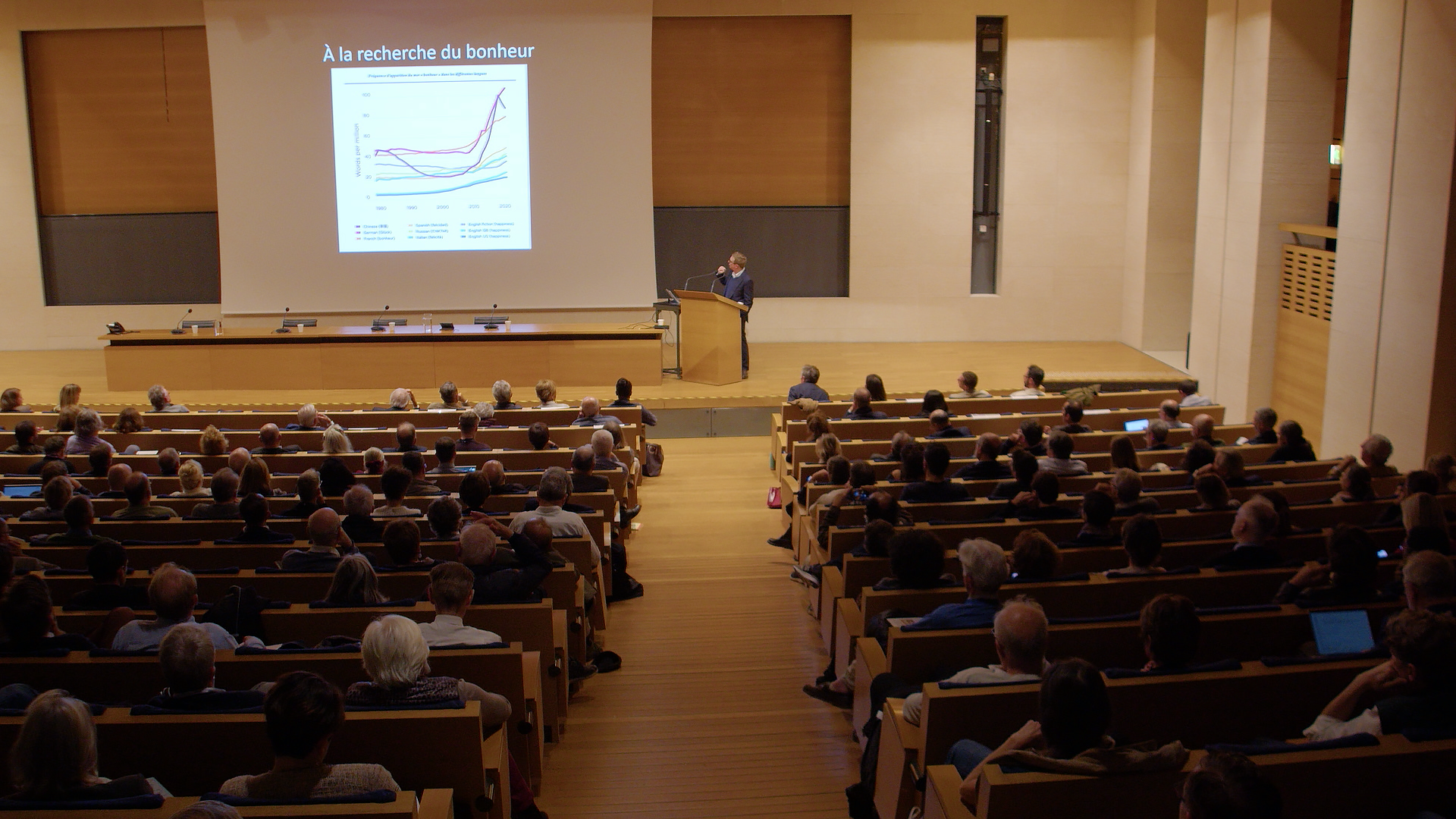
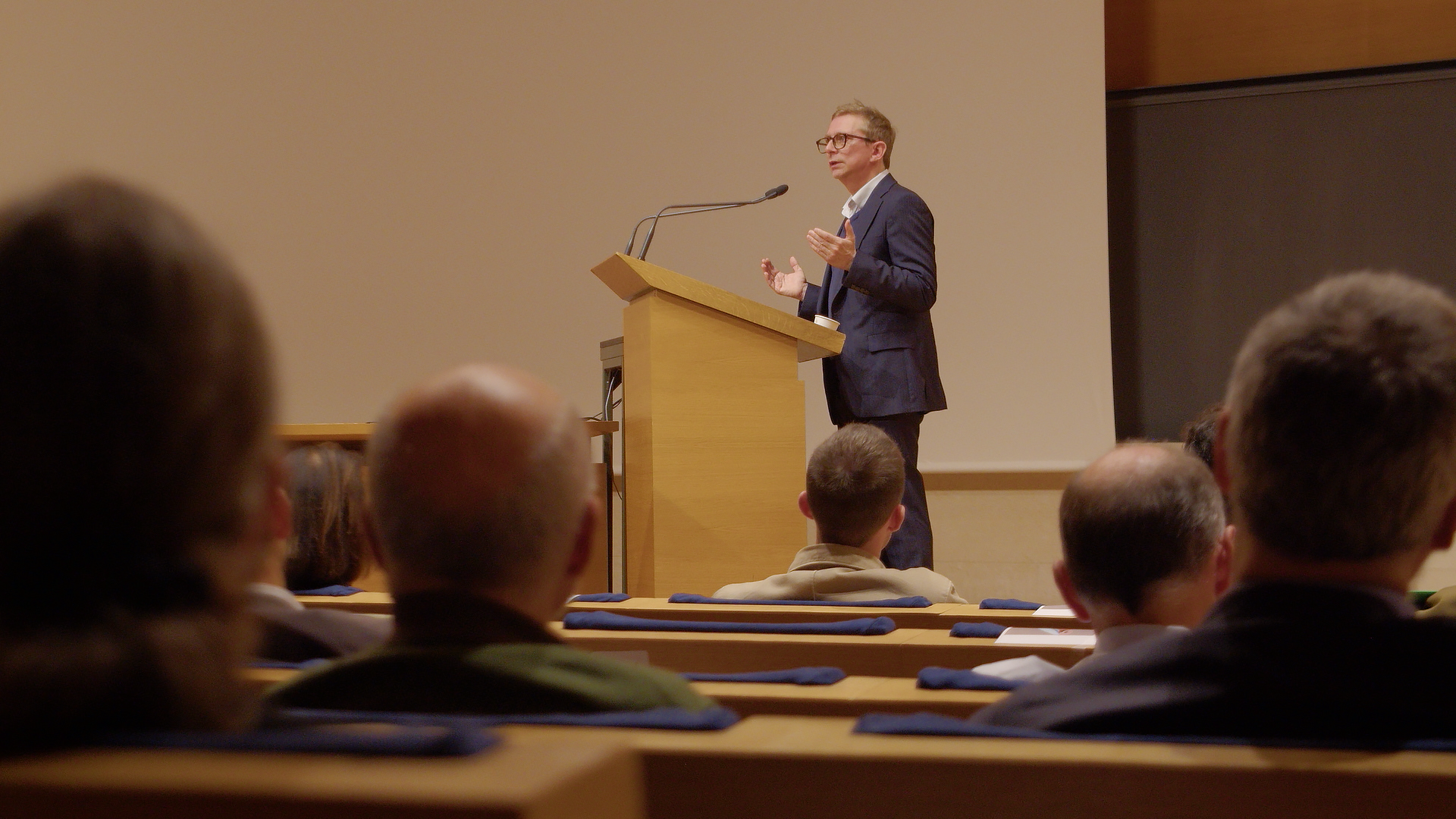
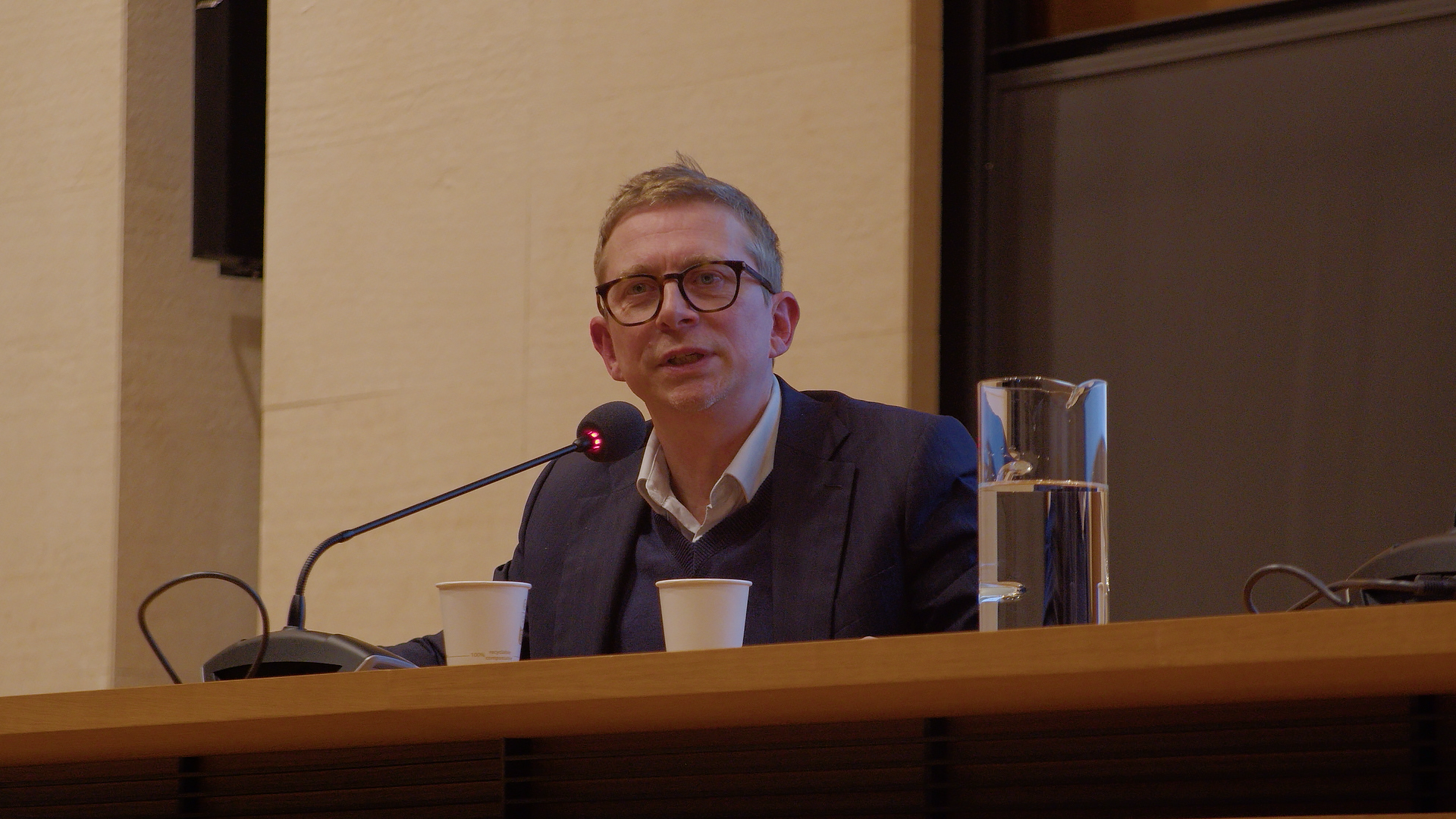
The main guest of this edition, the sociologist Gérald Bronner, professor at the Sorbonne and member of the Académie des Technologies, captivated the audience from the very first minutes.
Faced with the question “Are we destroying reality?” ”, he recognized a concern “shared by many of us”.
Based on a report from the World Economic Forum, he recalled that the Misinformation is now considered to be the main global risk in the short term, even in the face of extreme weather events.
“No human problem can be solved if we do not have an agreement on the facts and on the real.”
And to add, with a formula that marked the room:
“The risk is to continue living in the same society... but not quite in the same world.”
Bronner then described what he called the cognitive market, shaken up by the digital revolution:
“Never in human history has there been such availability of information.”
But this abundance is accompanied by massive deregulation:
“Anyone can give their opinion. It's a strange democracy, because some people vote a lot more often than others.”
According to his work, 1% of social media accounts produce 33% of visible content, often the most polarized.
“These superbroadcasters are generally radical. The more extreme you are, the more you talk, the more you see each other.”
The result: extreme arguments dominate the public debate, sometimes in the form of what he calls “argumentative yarrow” — an accumulation of arguments that give the illusion of solidity to fragile theories.
“If you're debating with a conspiracy theorist, you won't win. You'll have fewer arguments because he's motivated — which you're not.”
Another striking observation: artificial intelligences are redefining our relationship to truth.
“The boundaries between reality and the artificial production of images or videos are becoming more and more porous.”
Bronner mentions “astroturfing”, these campaigns to manipulate opinions carried out by fake accounts:
“Behind these accounts, there are now fewer and fewer human actors... and more and more artificial intelligences.”
According to him, these manipulations contribute to polarizing democratic societies, by “adding fuel to the fire” and by fragmenting the perception of reality.
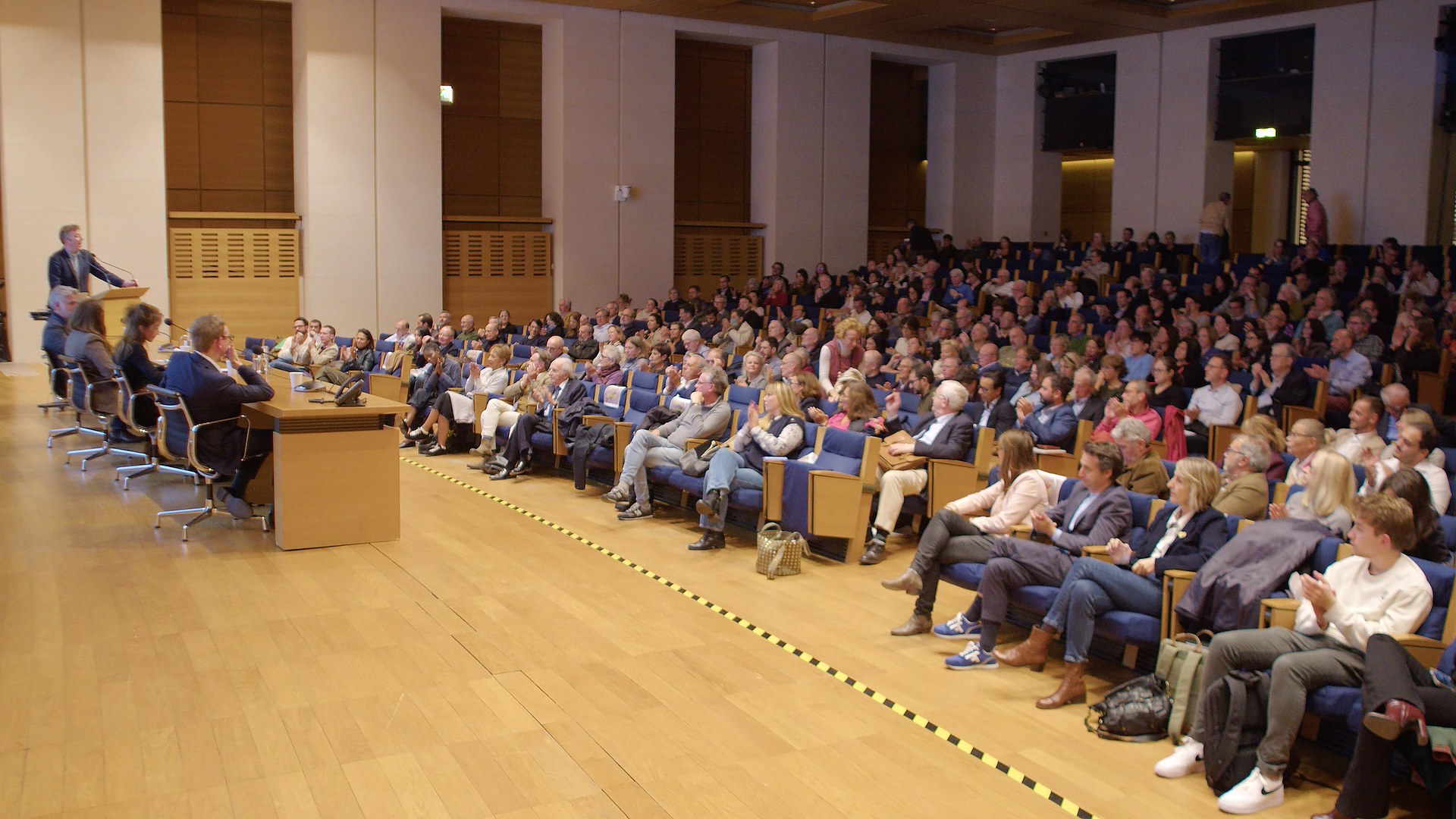
The conference continued with a round table moderated by Guillaume Ledit (DNA), bringing together Monique Canto-Sperber, Élise Hermant and Axel Dauchez.
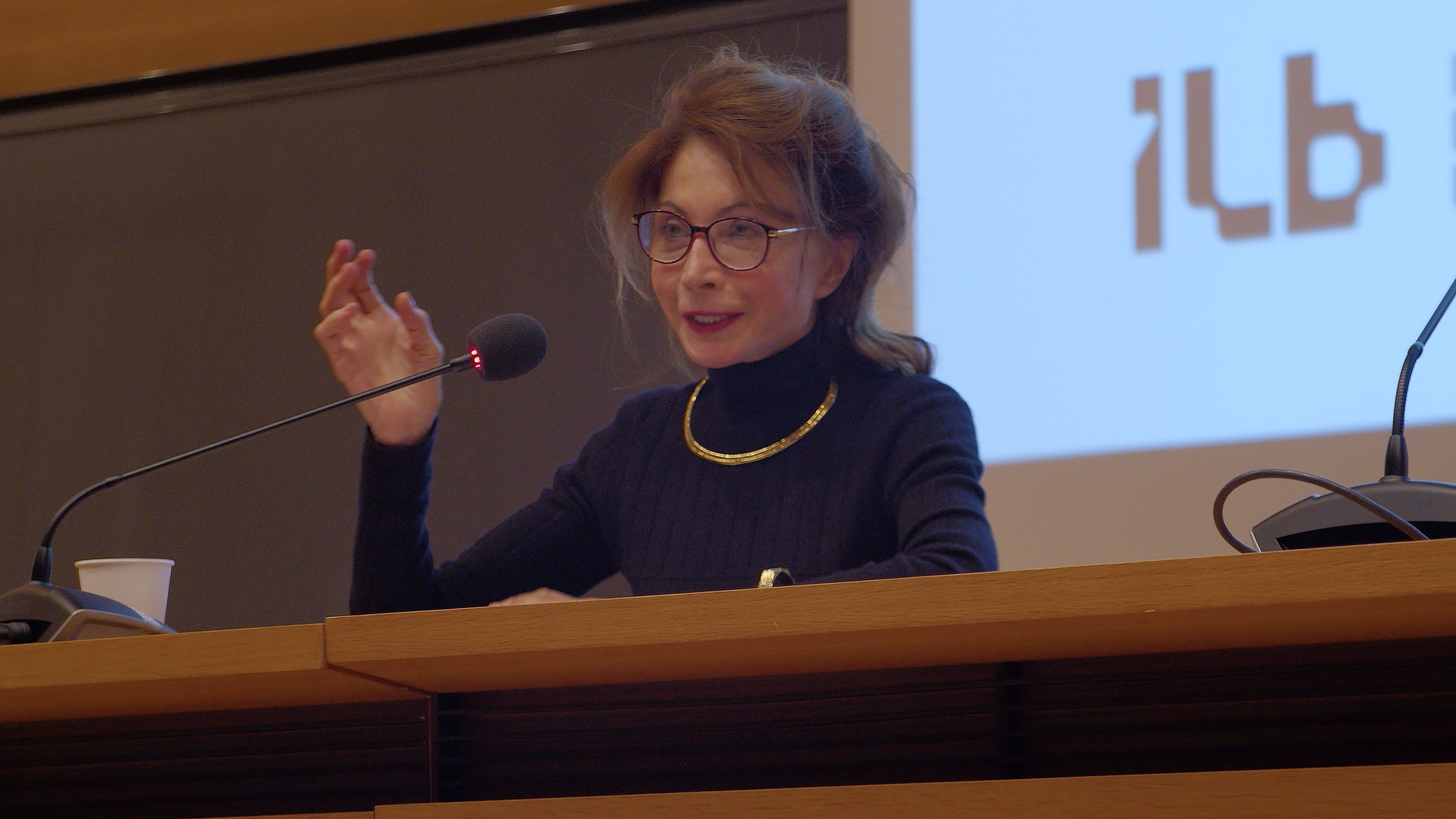
Monique Canto-Sperber, philosopher and emeritus research director at the CNRS, recalled that the relationship with reality is now mediated by the technologies themselves:
“We are no longer looking at reality, we are reconstructing it. Digital tools have changed the way we see, interpret, and believe.”
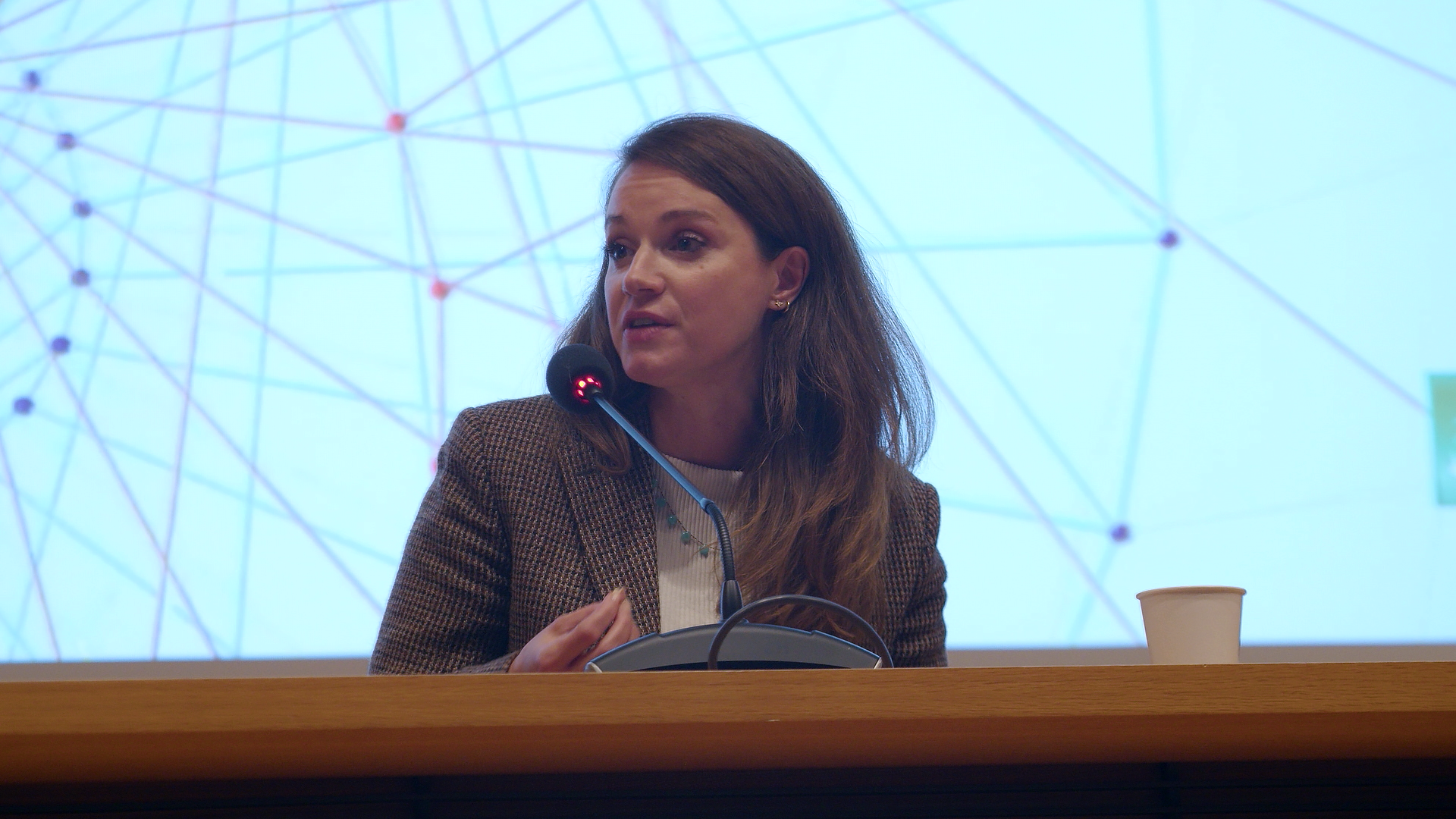
Élise Hermant, Head of Communication at BNP Paribas, brought a practitioner's perspective:
“The major language models still value official sources. It is up to us, collectively, to ensure that the truth remains visible.”
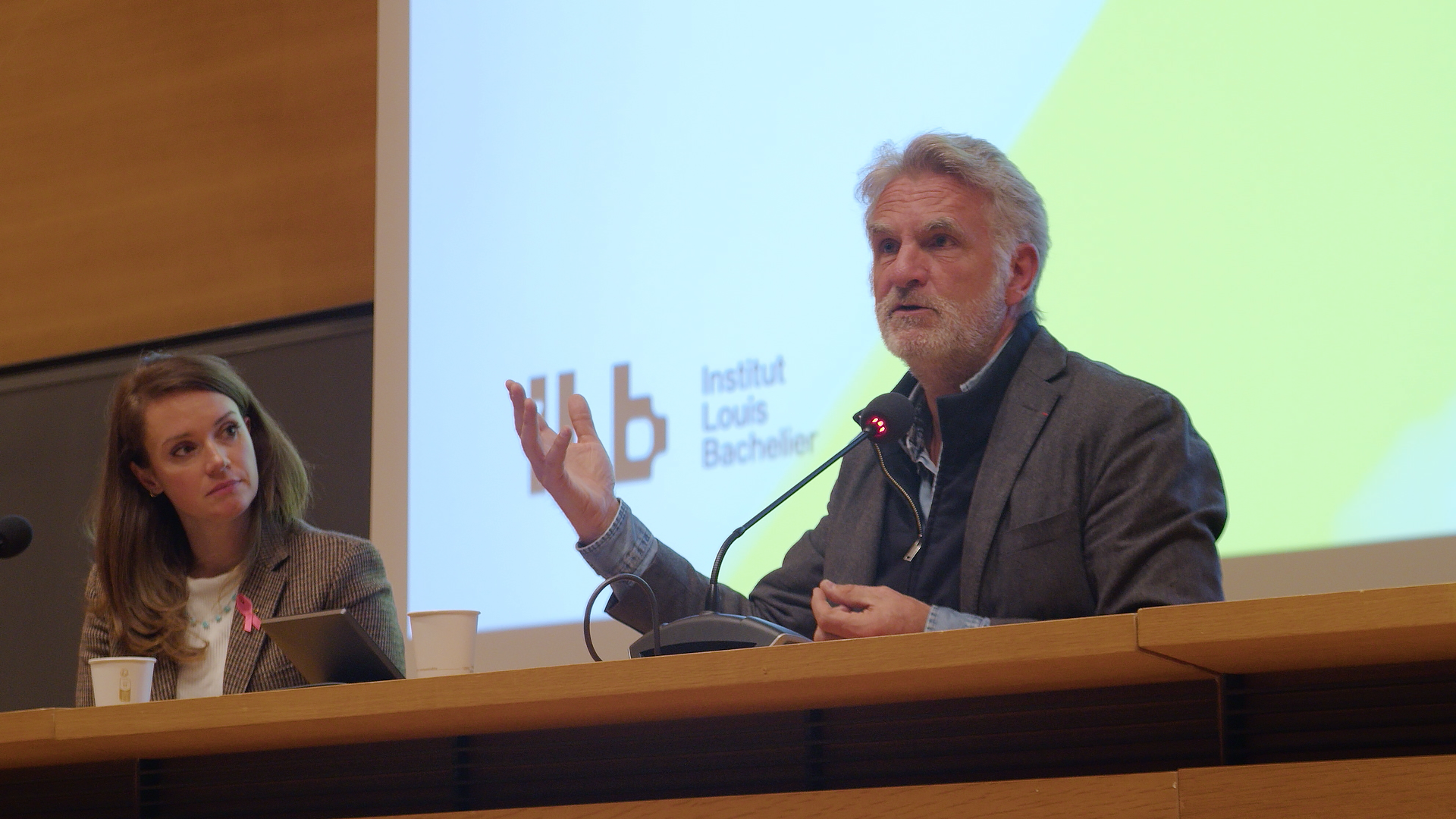
As for Axel Dauchez, president of Make.org, he proposed a democratic reading of the phenomenon:
“The disappearance of the common base calls into question our ability to form a society. But the collective can be reborn through joint action.”
In closing, Gérald Bronner recalled that democracy is based on a shared cognitive base :
“If we don't agree on what's real, what the facts are, we can't summon the collective intelligence we need to face the challenges ahead.”
Between philosophy, science and citizenship, this 12th edition of Upcoming Conversations recalled the urgency of a joint effort: defend the truth as a condition of our living together.